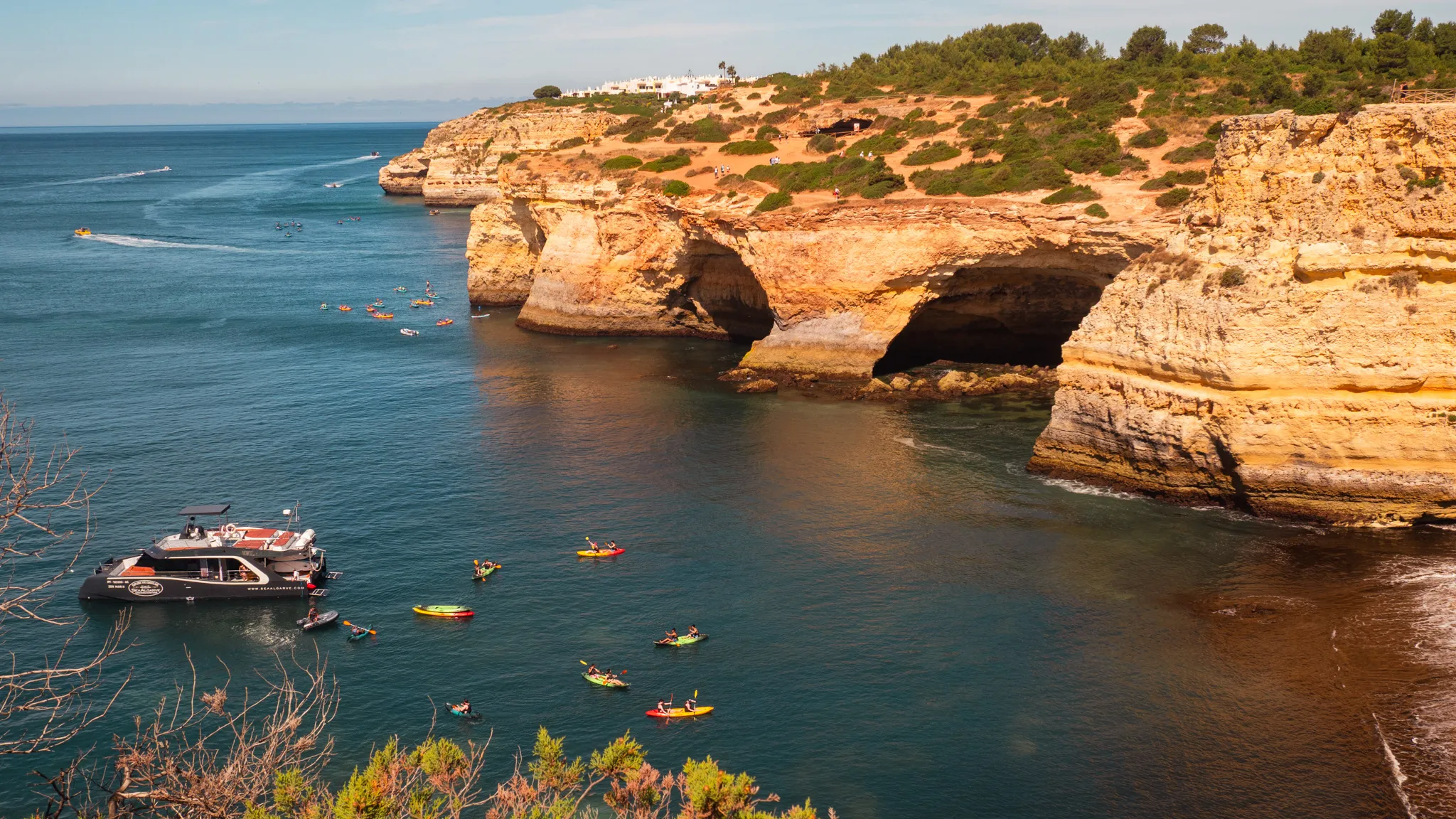
As it turns out, there are more connections between my origins and Portugal than I had imagined. No, I am not talking about that strange association between beauty, fullness, and the bay of Cacela Velha. Nor am I talking about my chronic inability to maintain a socially acceptable skin tone in Mauritania after spending more than three days in the sun. I am not even talking about the red-tiled roofs that crown so many Portuguese houses and remind me of the villas that appeared all over Nouakchott in the early 2000s. I am talking about a journey in the opposite direction.
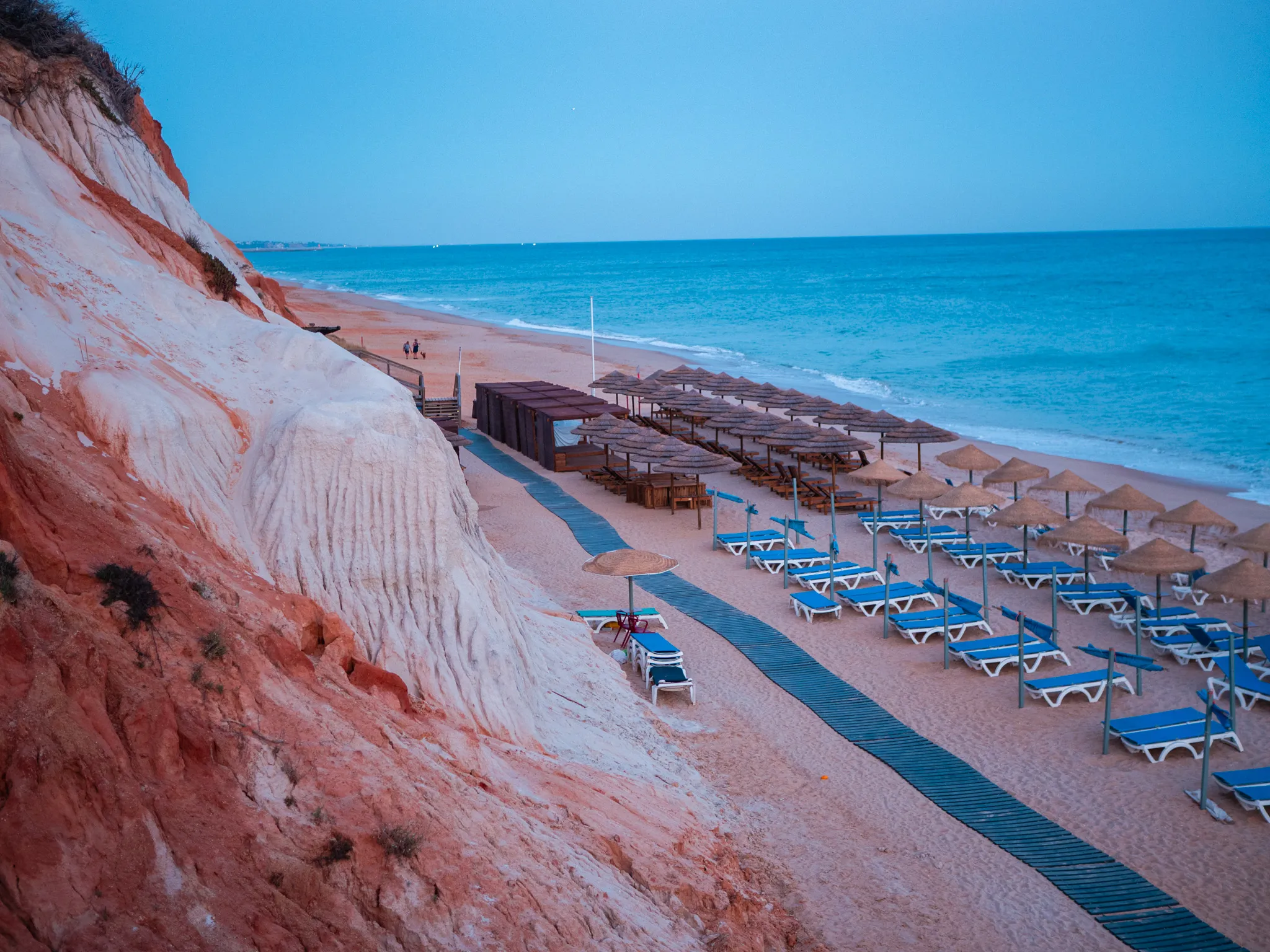
Not from Portugal to Africa. From the Moors to Portugal. Travelling through the Algarve, I slowly discover something that had escaped me in school: my ancestors passed through here.
For centuries, Berber and Arab dynasties from North Africa ruled large parts of the Iberian Peninsula. First the Almoravids. Then the Almohads. Names that once belonged to history books and lectures I probably listened to with only half my attention. Yet walking through southern Portugal, those names suddenly stop feeling abstract.
They appear everywhere. Sometimes in the architecture. Sometimes in the language. Sometimes in the details that only stand out when you come from the same world.
The most obvious example is the Algarve itself. Its name comes from the Arabic Al-Gharb. "The West." For medieval Arab geographers, this region represented the western edge of the known world. The place where land ended and the ocean began.
Albufeira also carries traces of that past. Its name most likely derives from the Arabic Al-Buhayra. "The little lake."
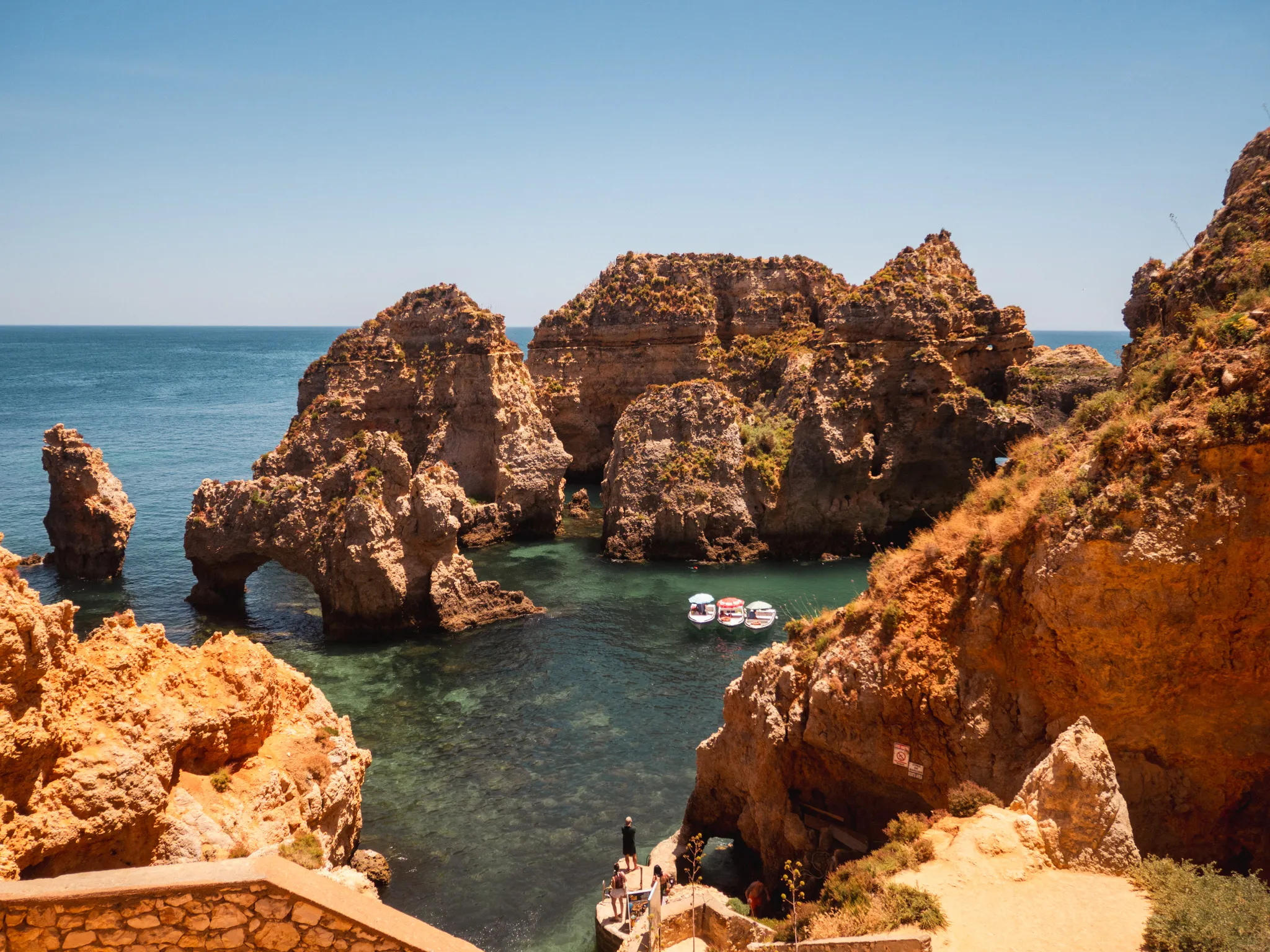
I have always found it fascinating that words can outlive empires. Borders disappear. Kingdoms collapse. Armies leave. But words remain.
They cling to hillsides, villages, and road signs. Eight centuries later, millions of tourists pronounce Arabic words every year without even realising it. Myself included.
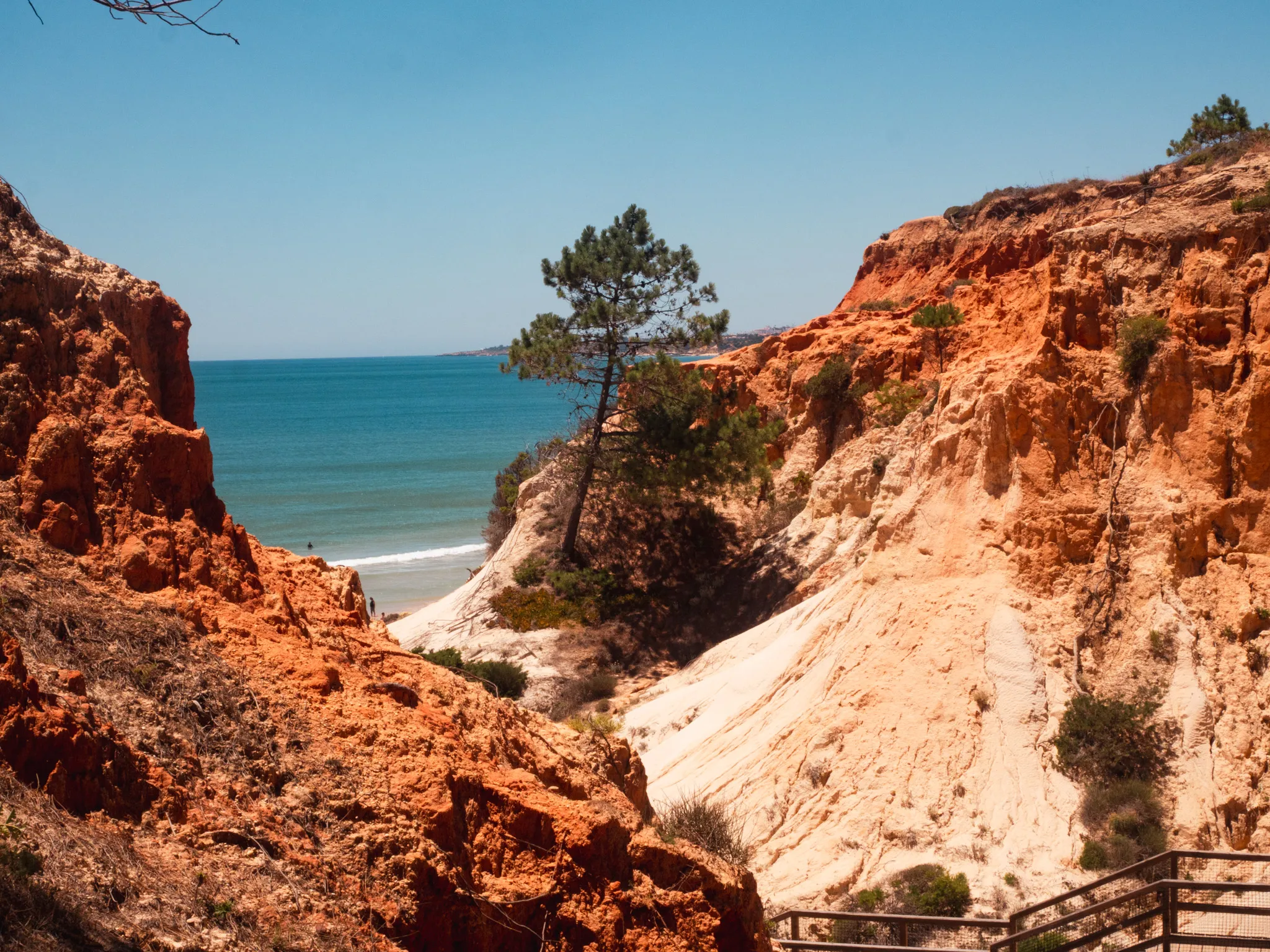
Before this trip, the Moorish presence in Portugal and Spain felt like a distant chapter in a history book. Now it feels more like an unexpected family reunion.
I walk through the streets of the Algarve and realise that my ancestors were not only on the southern side of the Mediterranean. They were here too. On these hills. Facing this ocean. A few kilometres away from the same bay I refused to cross because I do not trust the sea.
Somehow, that feels fitting. Empires can cross continents. Civilisations can shape entire regions. And yet, centuries later, their descendant is still standing on the shore wondering if the tide might come back too quickly.
Back to top