Fes is one of those Moroccan cities that feels completely different from anywhere else in the country. Ancient, chaotic, beautiful and incredibly atmospheric, it almost feels like stepping into another era.
I spent a weekend there with my sister while we were staying in Rabat. It was a short trip, Friday to Sunday, but more than enough time to discover the medina, eat some very good Moroccan food, stay in one of the most beautiful hotels I've experienced in Morocco, and have a few funny adventures along the way. And yes, this trip also involved us dancing to Arabic music on the train to Fes.
The journeyGetting to Fes from Rabat
We travelled from Rabat to Fes by train, which I found to be one of the easiest and most comfortable ways to get there. The journey takes roughly three hours, and Moroccan trains are generally comfortable. We travelled first class and, although the difference isn't enormous, I'd still recommend paying the little extra if your budget allows.
The journey itself became part of our weekend. My sister and I spent a good part of it listening to Arabic music, having fun, and even dancing a little on the train. Nobody seemed particularly bothered by us, which only made it funnier.
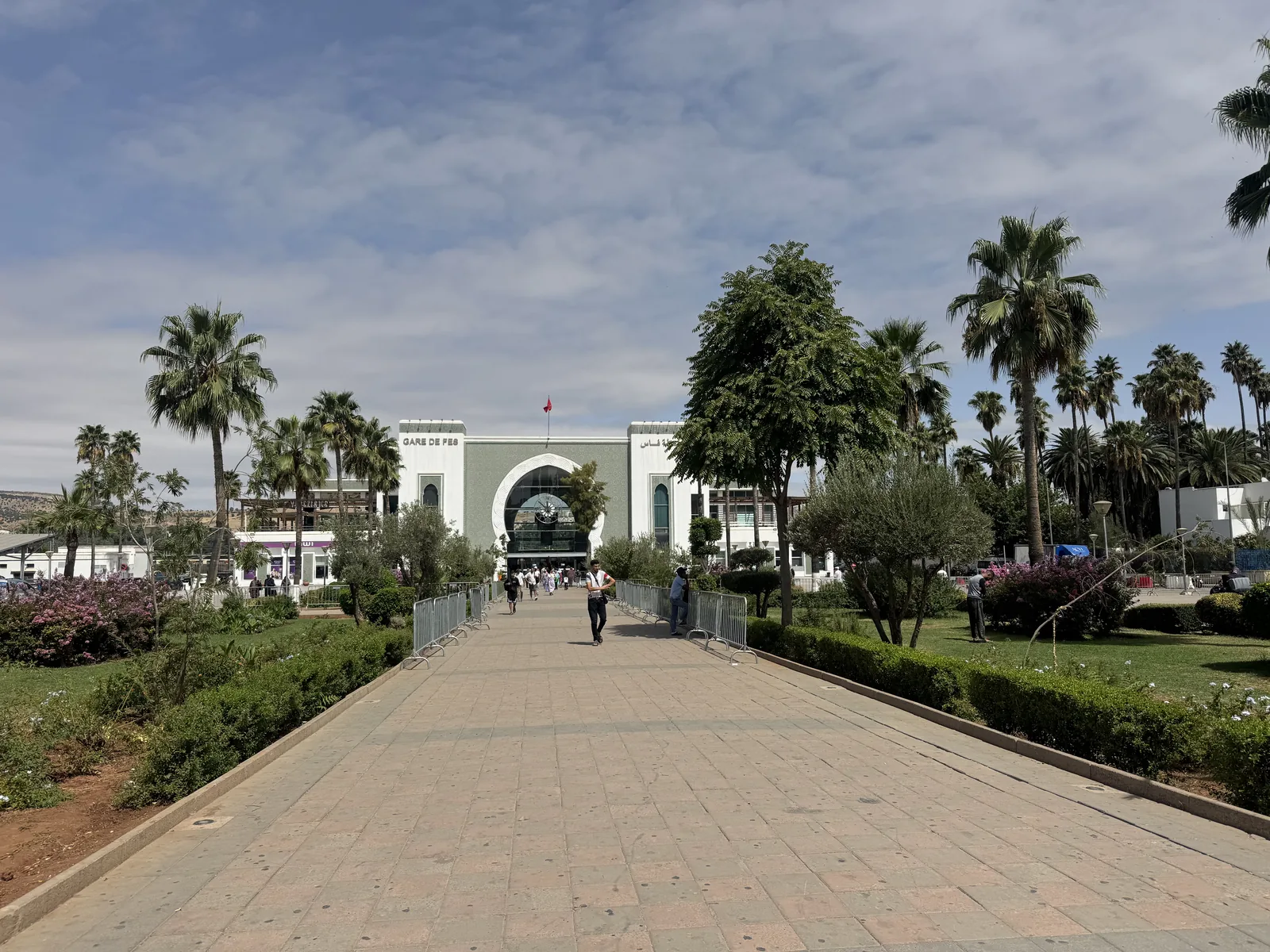
Book first class for a Rabat–Fes train (about 3h). You can also combine Fes with Rabat, Casablanca or another stop and continue by rail, Morocco's trains make it easy.
Where we stayedSleeping in a palace: Palais Faraj
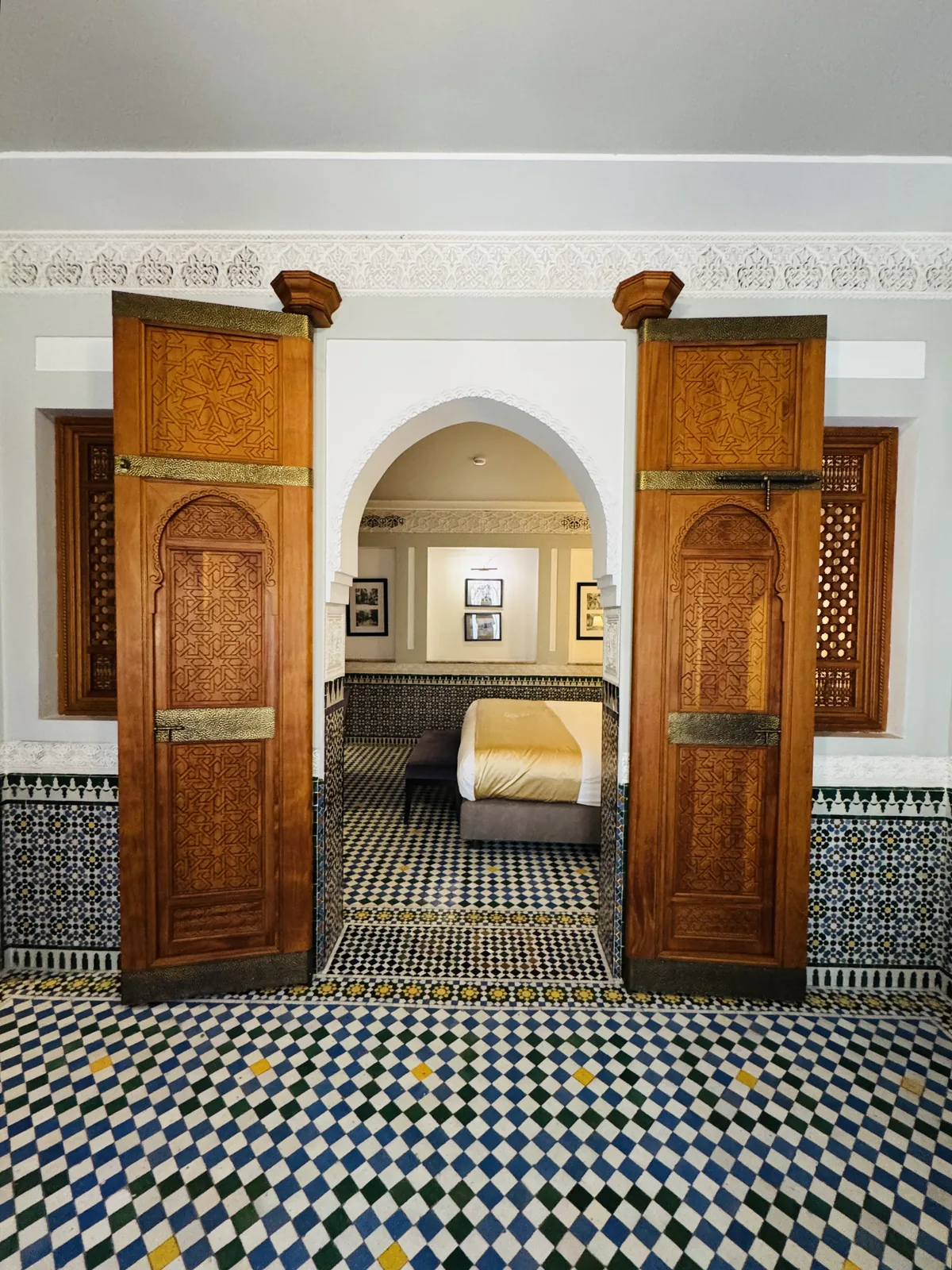
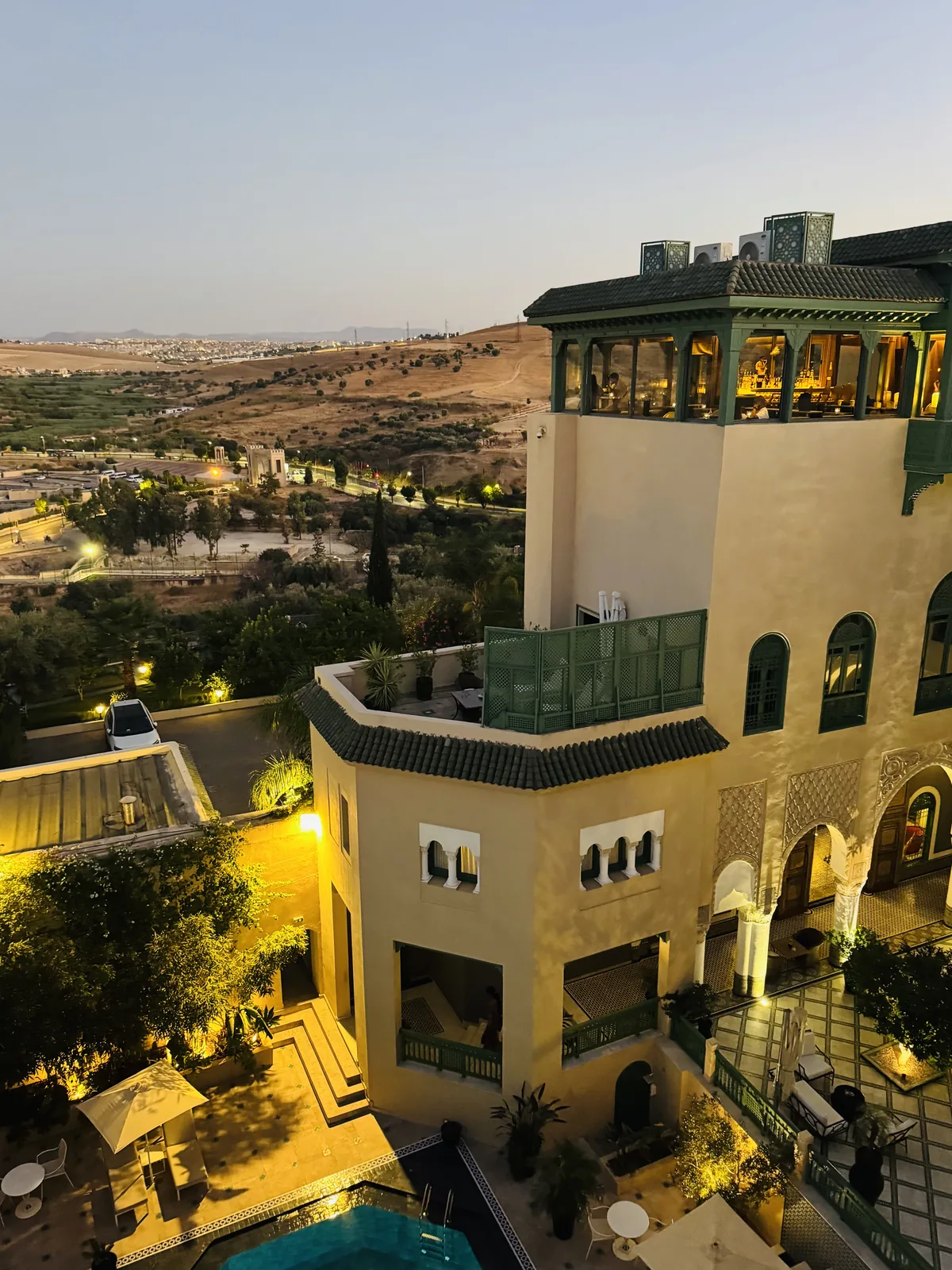
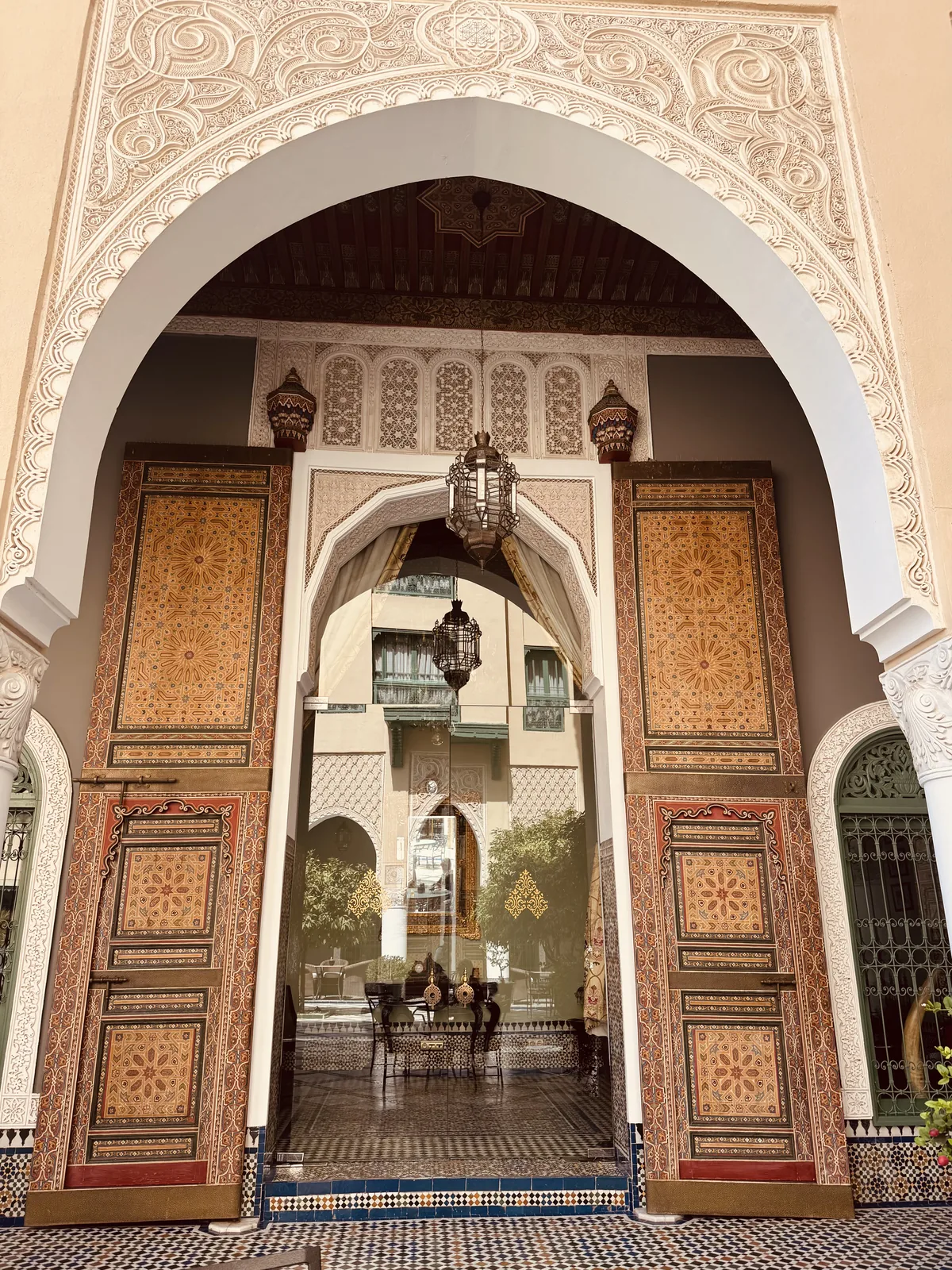
Our hotel was one of the highlights of the entire trip. We stayed at Palais Faraj Suites & Spa, overlooking the old city of Fes. It was designed in the spirit of a traditional Moroccan palace, and that's exactly how it feels when you walk through it: courtyard after courtyard, and little corners you keep wanting to explore.
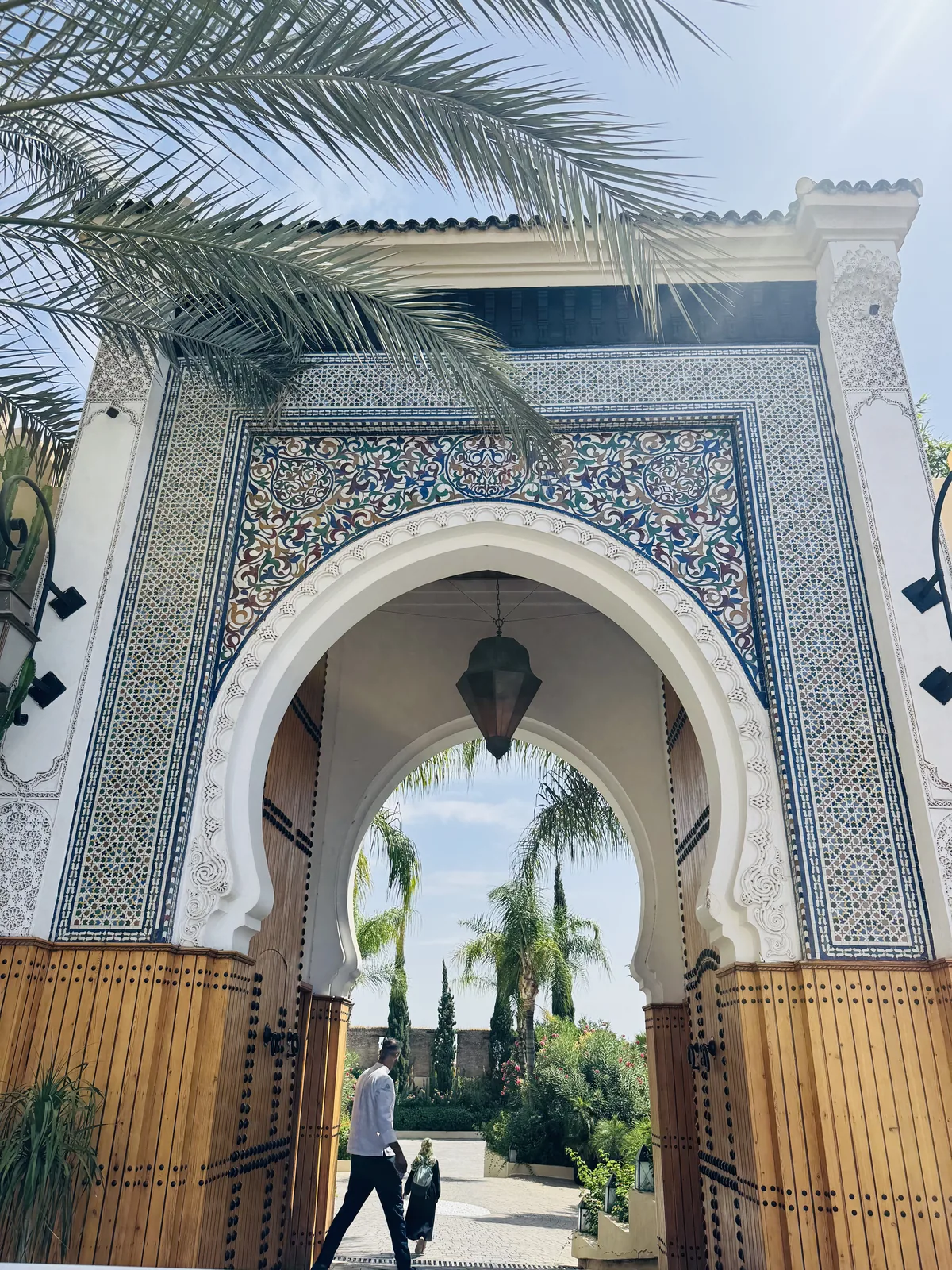
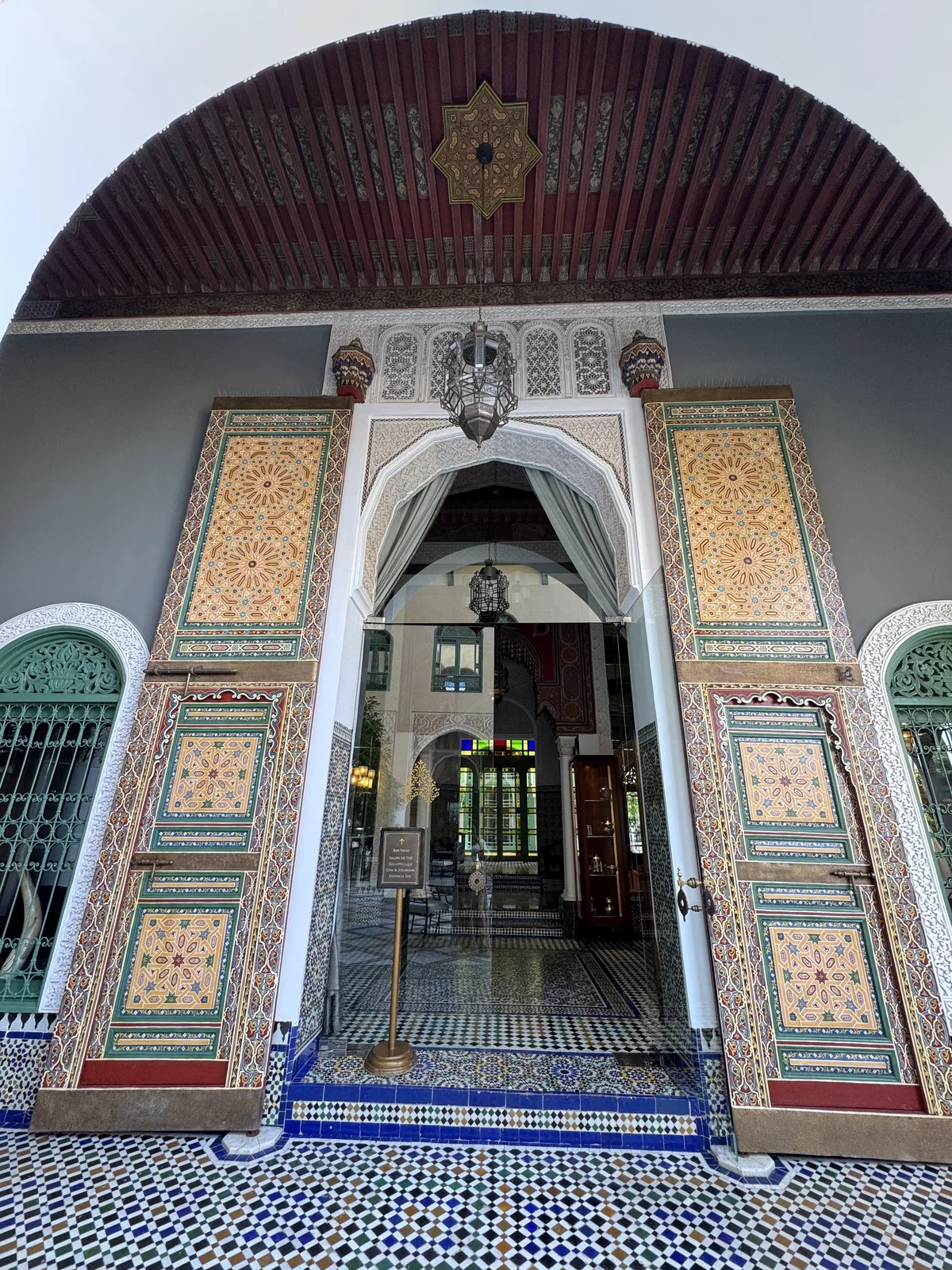
"Basically, I felt like a princess from One Thousand and One Nights."
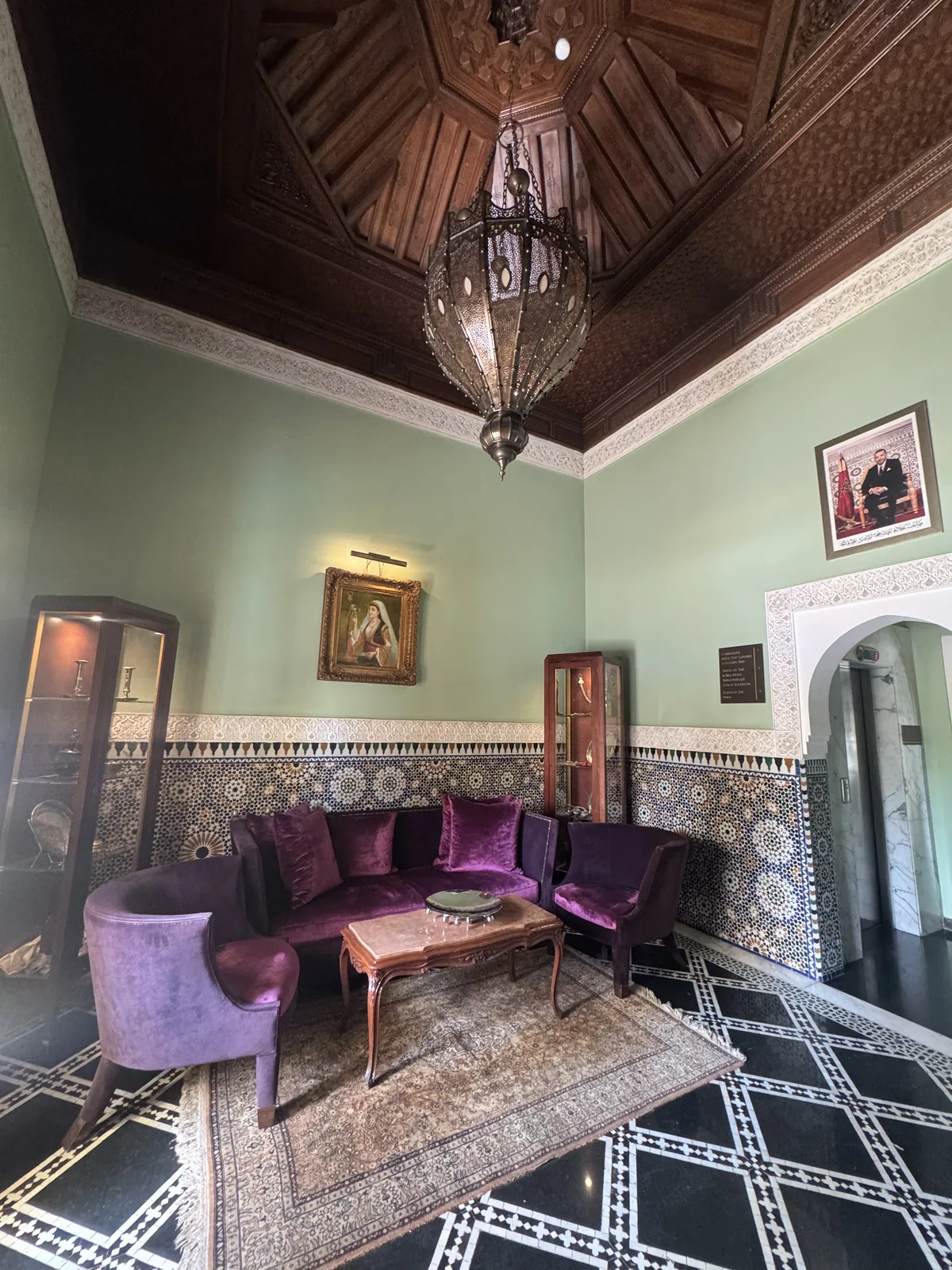
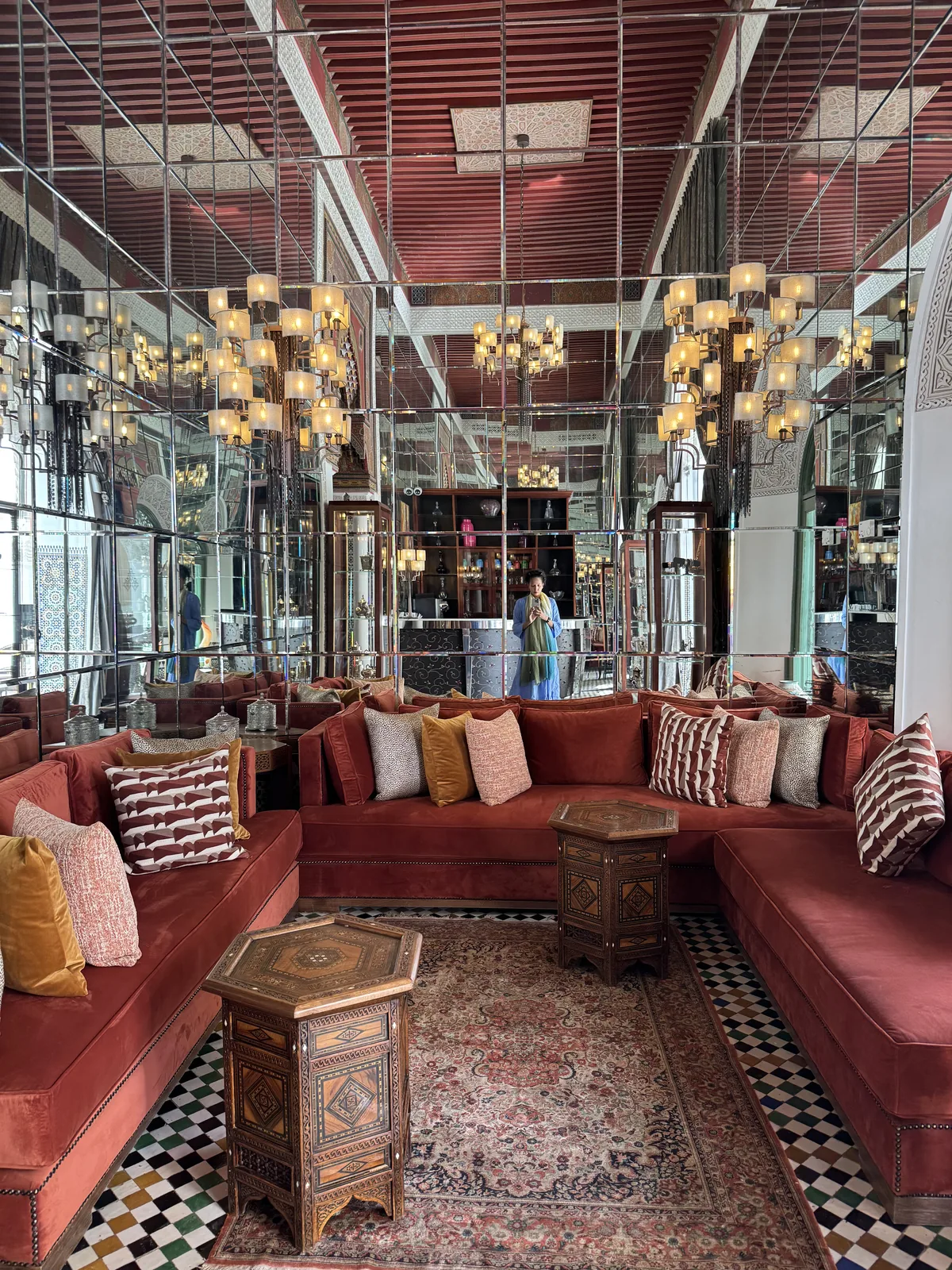
When we arrived, the staff welcomed us with Moroccan tea and sweets. We visited in summer, low season in Fes, because the heat can be fierce, and the hotel was wonderfully peaceful. We were even upgraded to a full suite. The pool was another highlight: with hardly anyone around, at times it almost felt like a private pool in a palace.
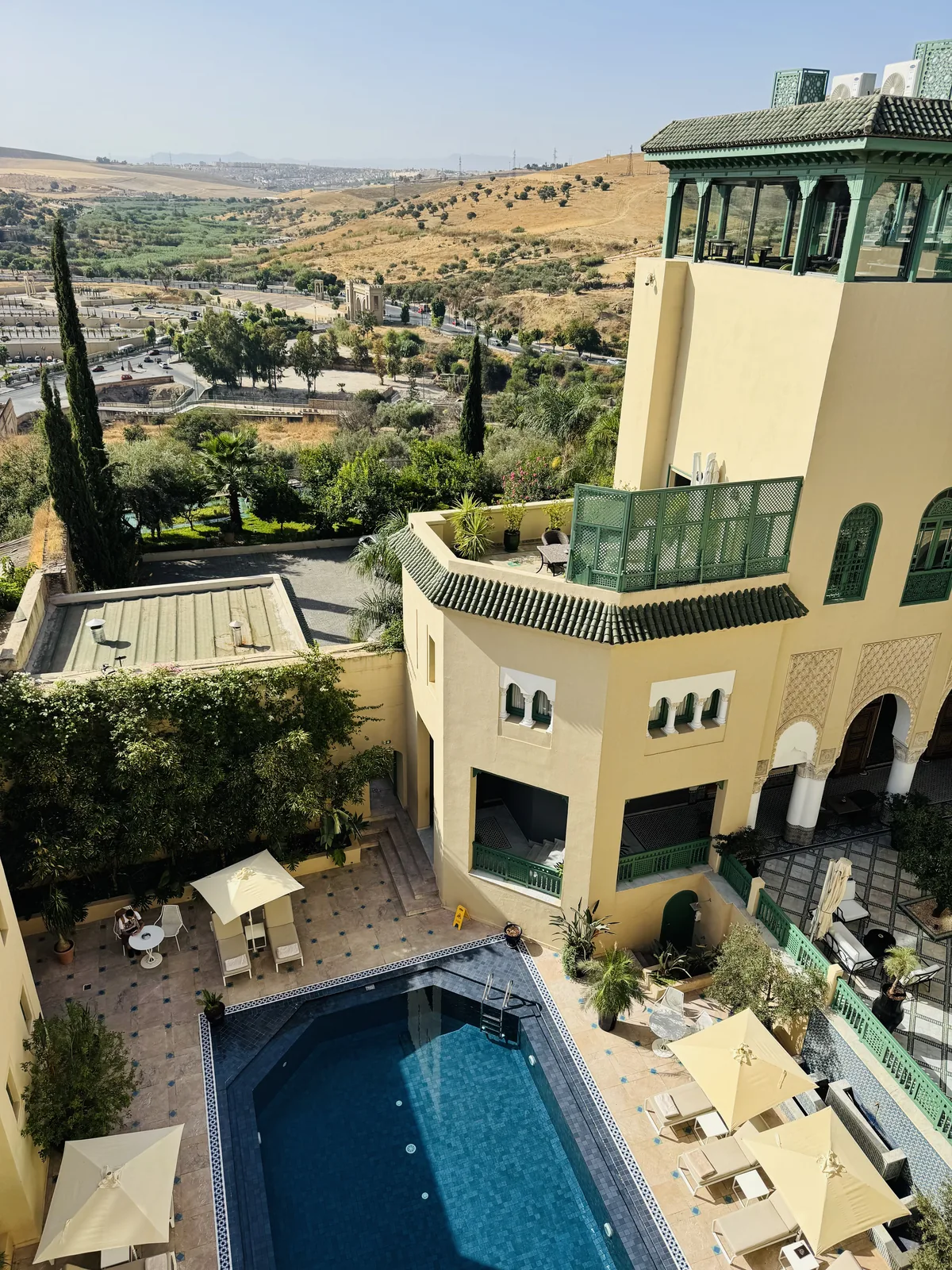
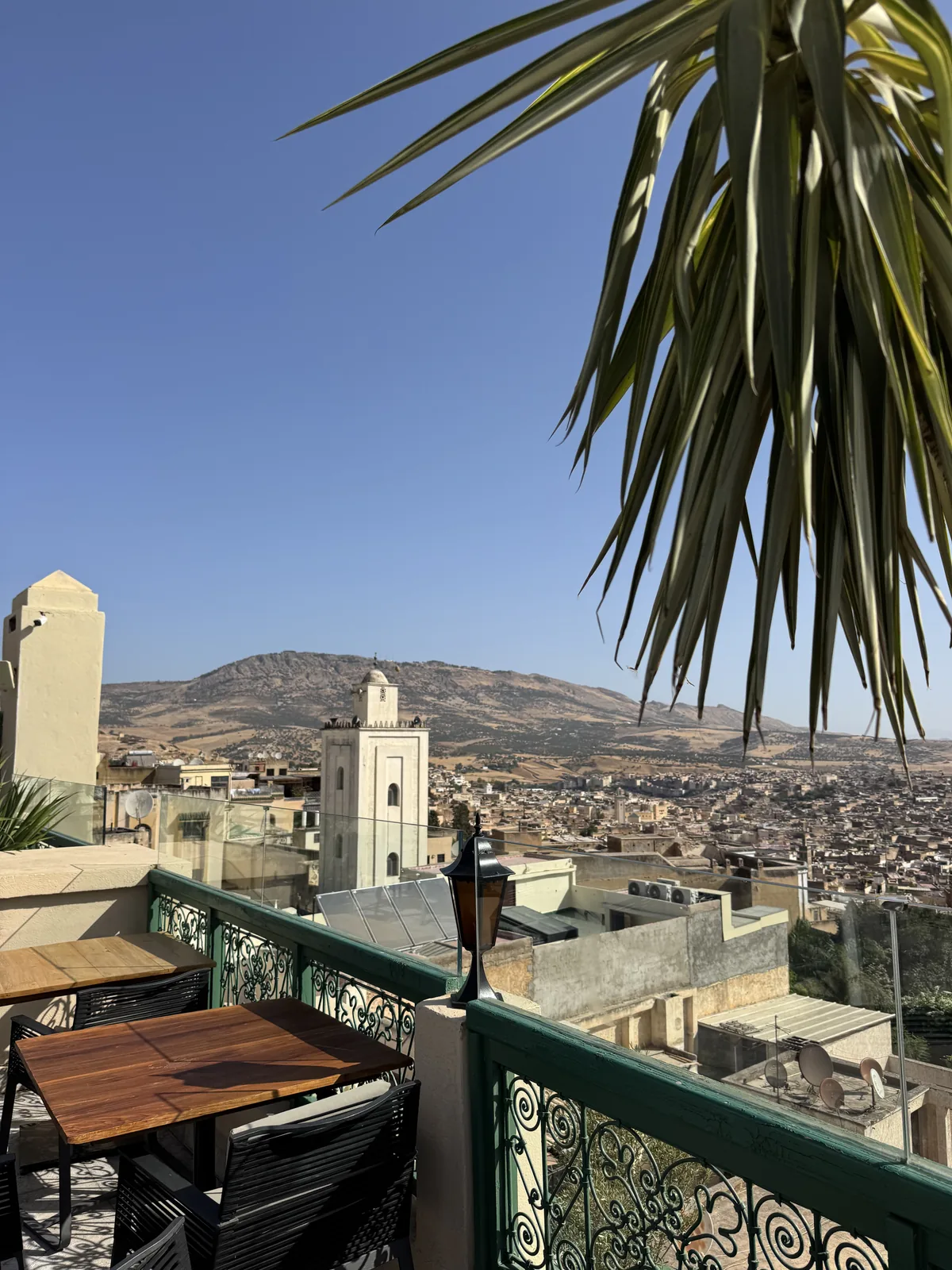
But what I loved most was simply exploring the hotel, wandering from one room to the next. Palais Faraj isn't just somewhere to sleep; staying there is almost an experience in itself. And then there's the terrace. The hotel sits above the medina, and its rooftop has an incredible panoramic view over Fes. Watching the city from up there was probably one of my favourite moments of the weekend.
Is Palais Faraj worth the money?
For me, absolutely. Prices vary a lot by date and room, but in quieter periods you can find surprisingly attractive rates for this level of property. If you love beautiful architecture and hotels with character, I'd rather stay somewhere like this than in a generic international hotel. It becomes part of the trip, not just somewhere you return to at night.
FridayCouscous & the first walk into the medina
We arrived on a Friday, the perfect excuse for one of Morocco's most important traditions: couscous. Friday is couscous day, so after settling in we headed for the old city. One of the most recognisable entrances is Bab Bou Jeloud, the Blue Gate, and passing through it brings you into the world of Fes el-Bali, the historic medina.
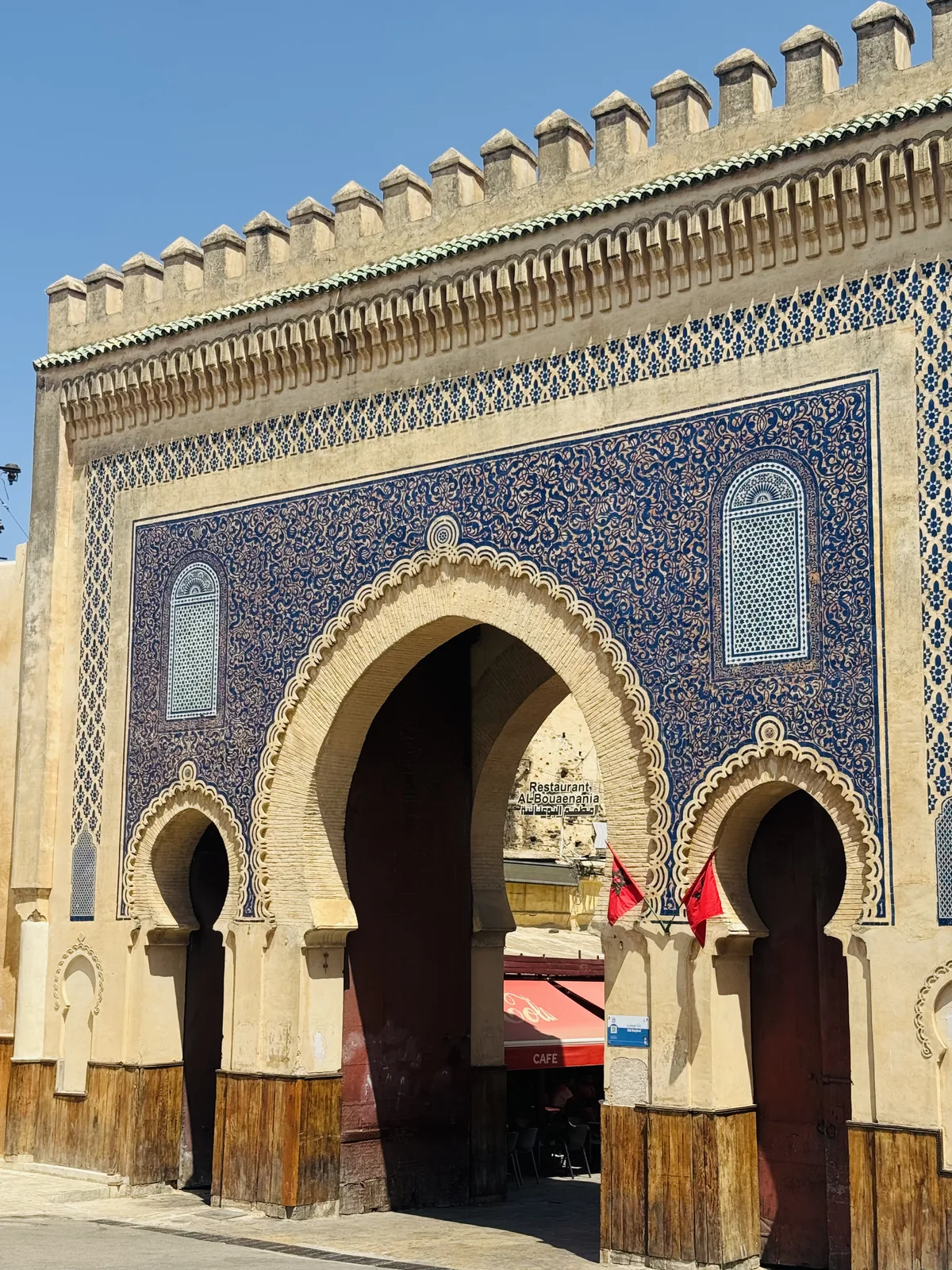
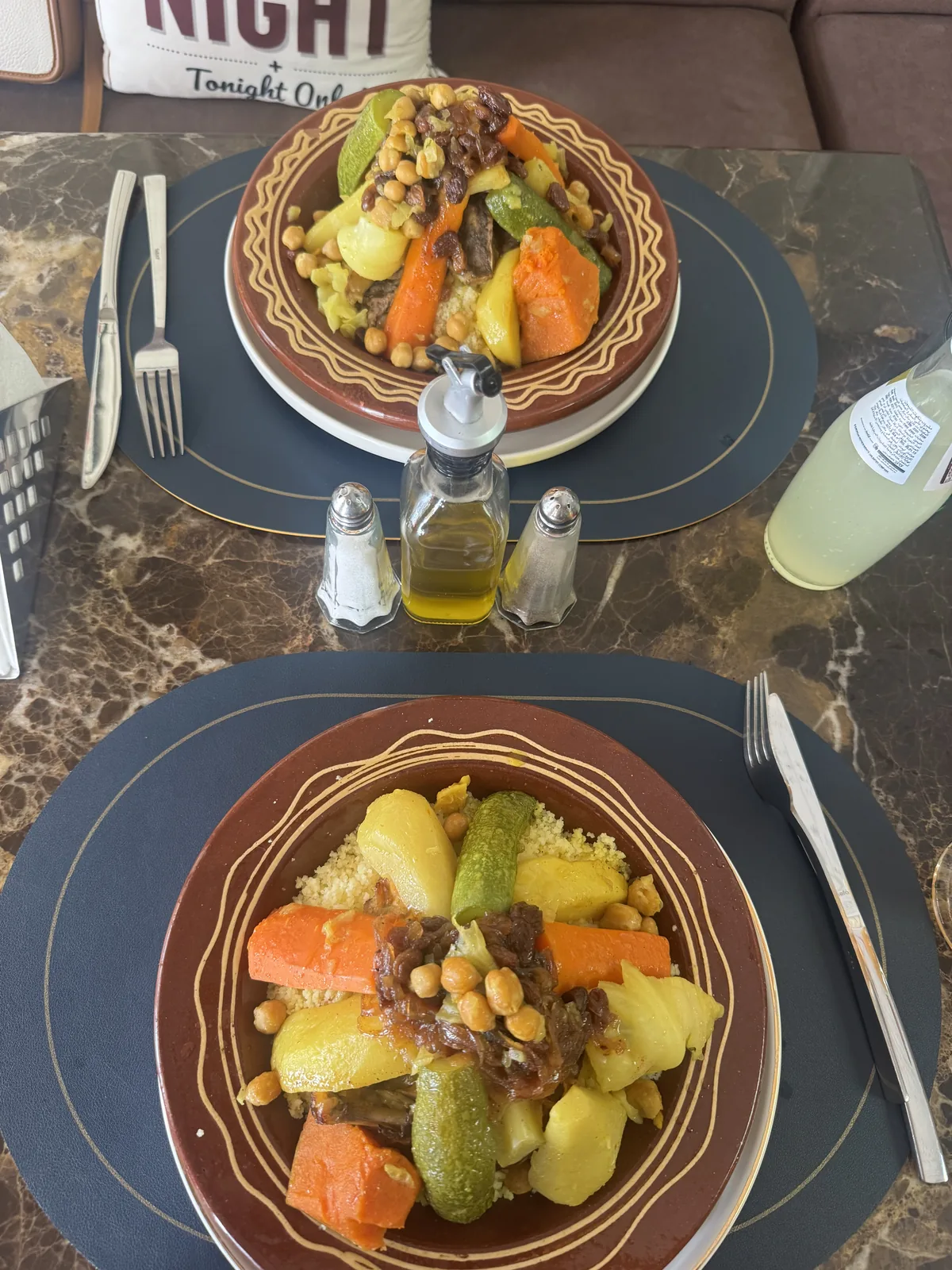
Fes medina isn't somewhere you simply "walk through." It's a labyrinth of tiny alleys, lined with workshops and food stalls, in streets that sometimes feel impossibly narrow. It's UNESCO World Heritage-listed and considered one of the best-preserved historic cities in the Arab-Muslim world. We wandered, stopped for couscous, and explored.
But there was one problem: it was hot. Very hot. Fes is inland, and summer afternoons become intense. Eventually we decided the midday medina was no longer enjoyable and escaped back to our palace, which, admittedly, wasn't much of a hardship.
Friday nightAn evening above Fes
That evening we didn't need to go far for dinner. We ate on the rooftop terrace of Palais Faraj, overlooking the city, with live music and that incredible panoramic view. After the intensity of the medina, sitting above it at night and watching Fes from a completely different perspective was beautiful. One of those evenings where the location does most of the work.
SaturdayExploring Fes properly
The next morning we learned from the heat and got up early. If you're visiting in summer, do the same: explore in the early morning, then come back out once the worst of the heat has passed. Our day went to some of Fes's most famous sights.
The Chouara tanneries, an experience I didn't love
Then came one of the most famous experiences in Fes: the tanneries. The Chouara Tanneries are centuries old, and from terraces above you look down over rows of stone vats used in the traditional leather-making process. I'm going to be honest, I didn't particularly enjoy it. It's visually fascinating, and I understand why it matters to Fes's heritage, but the environment is messy and the smell is very strong.
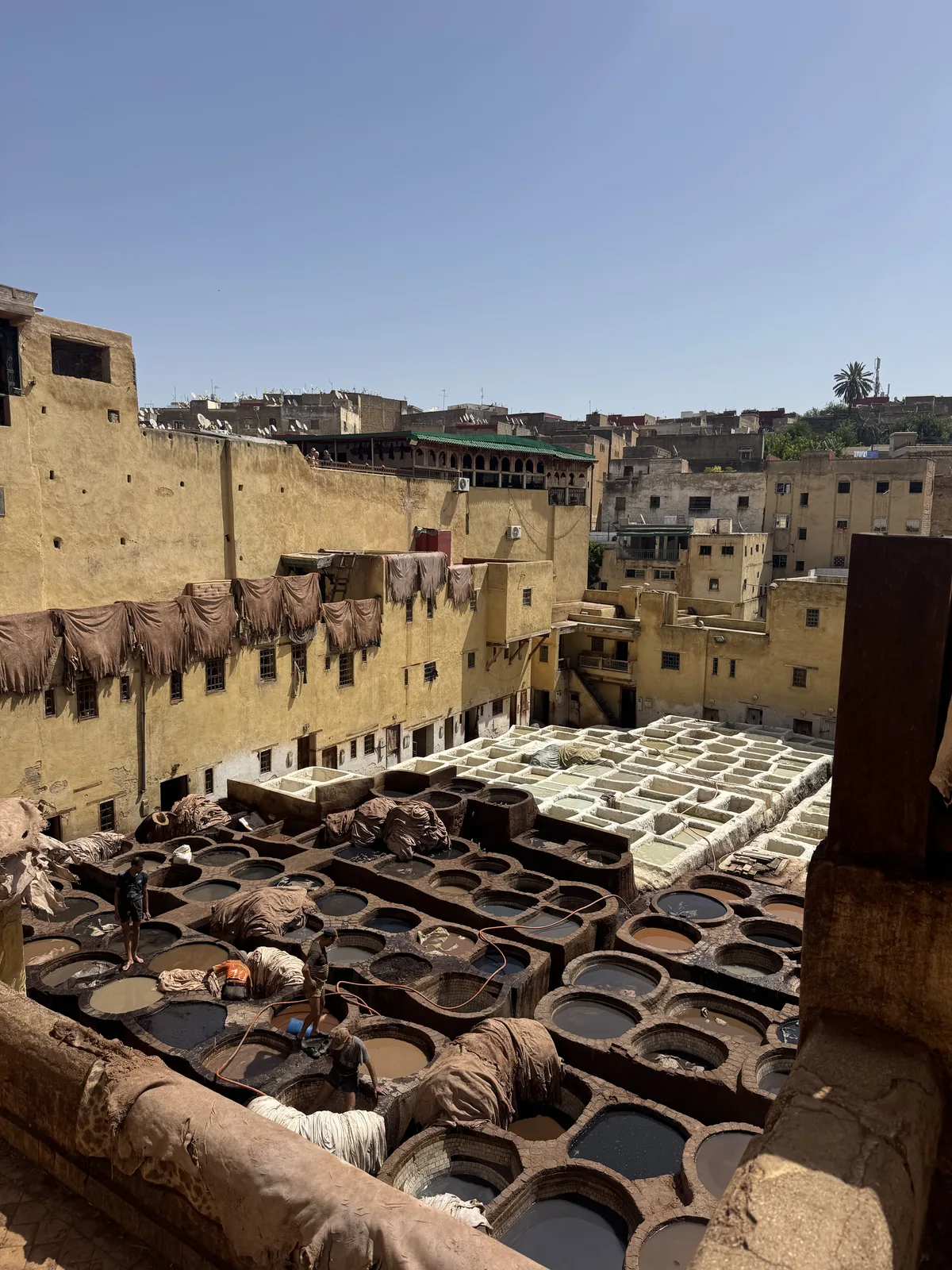
Before you go up, they hand you fresh mint to hold near your nose. Trust me: take the mint. And remember, not every "must-see" has to become your favourite just because a guidebook says so.
Jnan Sbil Gardens, a completely different side of Fes
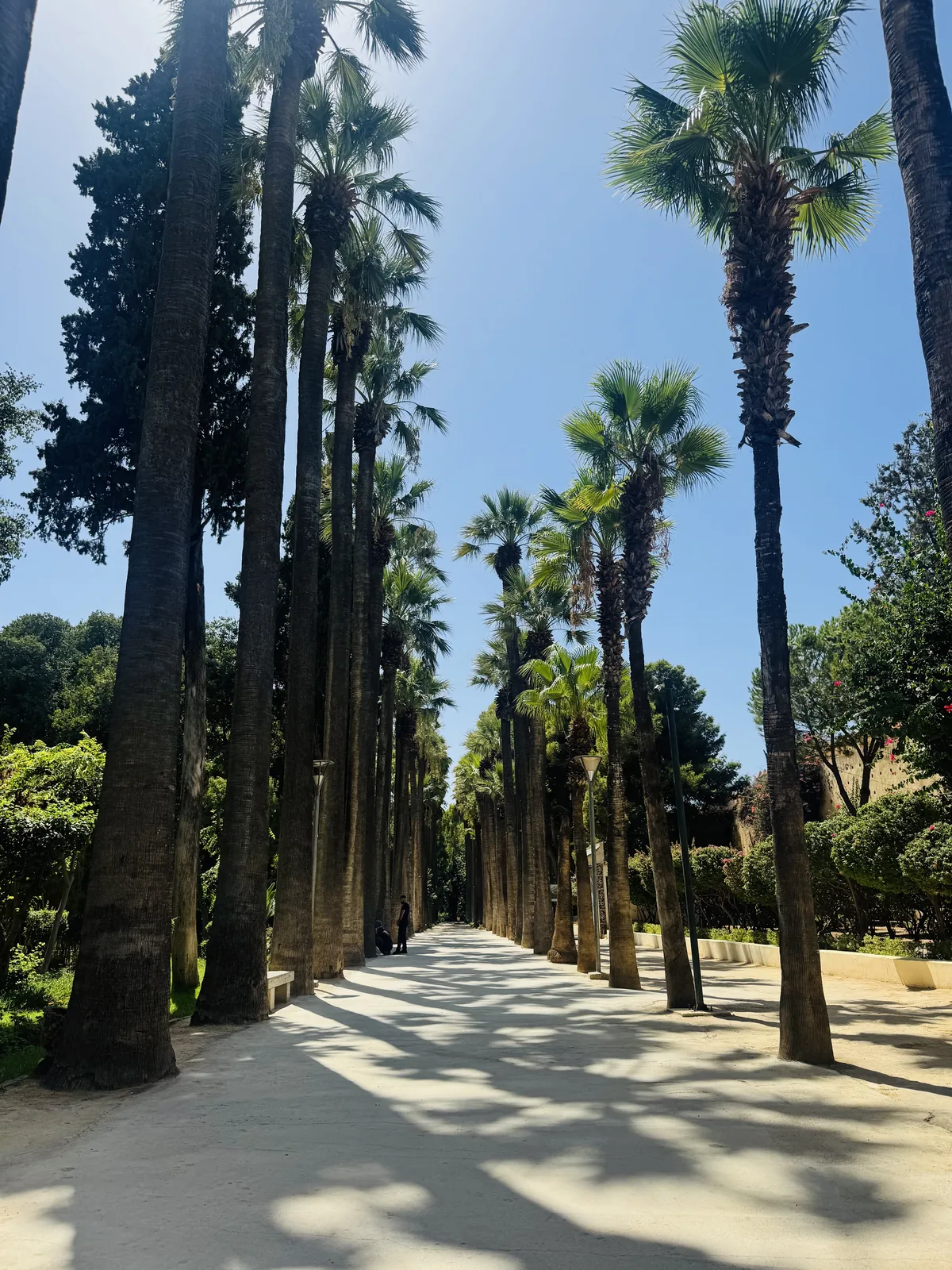
After all that intensity, Jnan Sbil Gardens felt like another world. The historic gardens are close to the medina and feel green and shaded, with fountains and a much calmer atmosphere. After the crush of Fes el-Bali, somewhere spacious and green was very welcome, a good stop between the more intense sights.
The Royal Palace of Fes
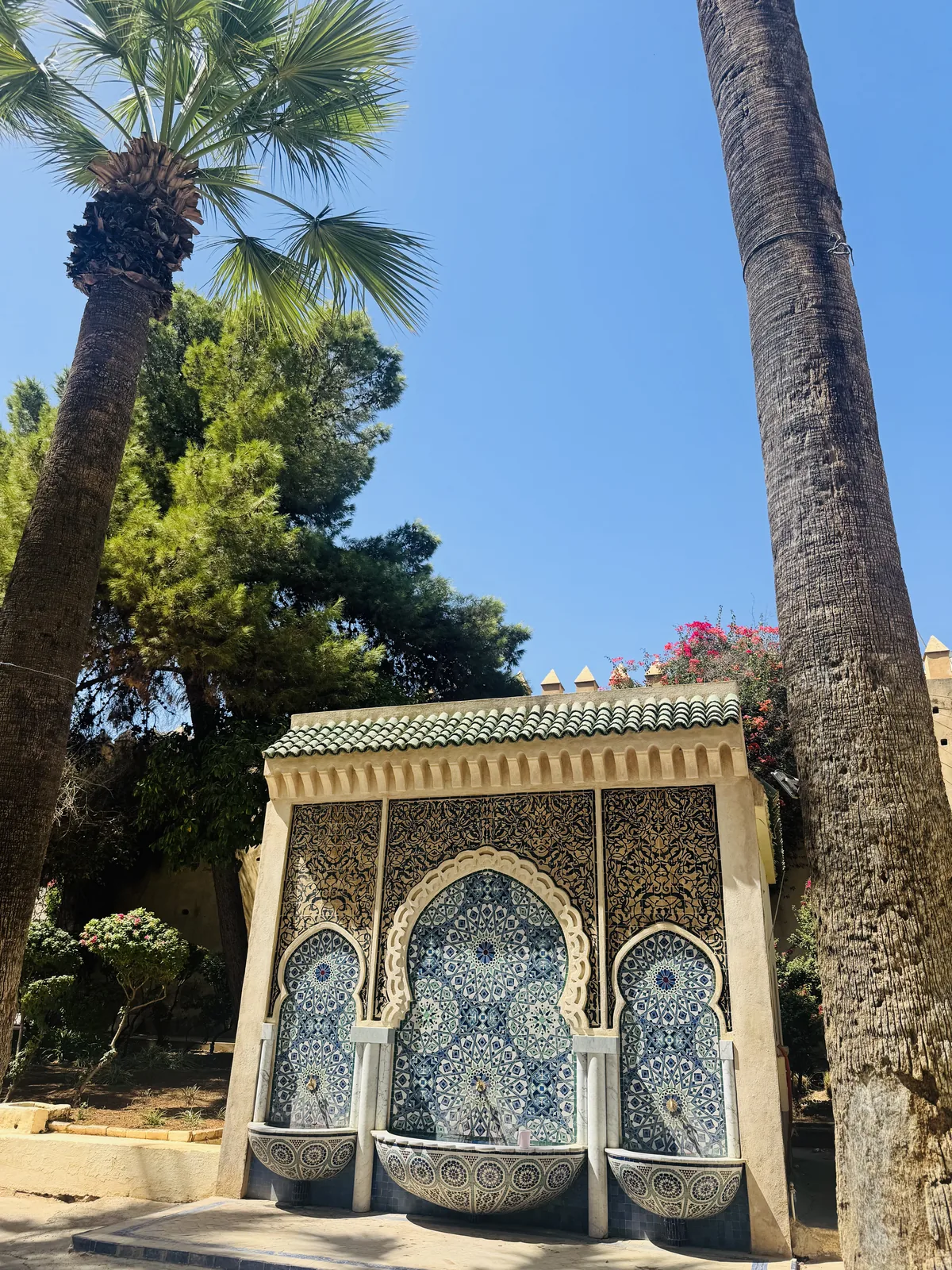
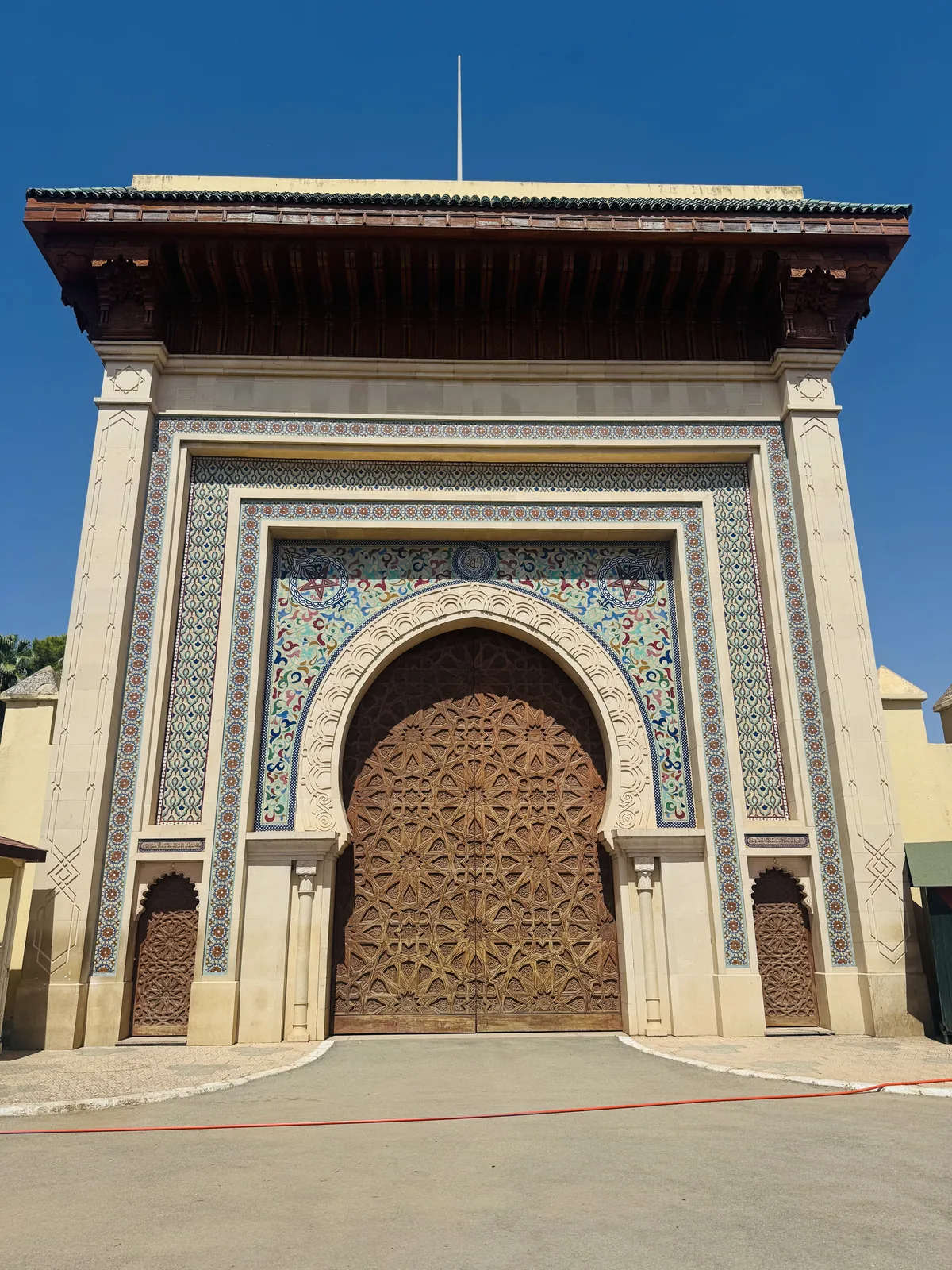
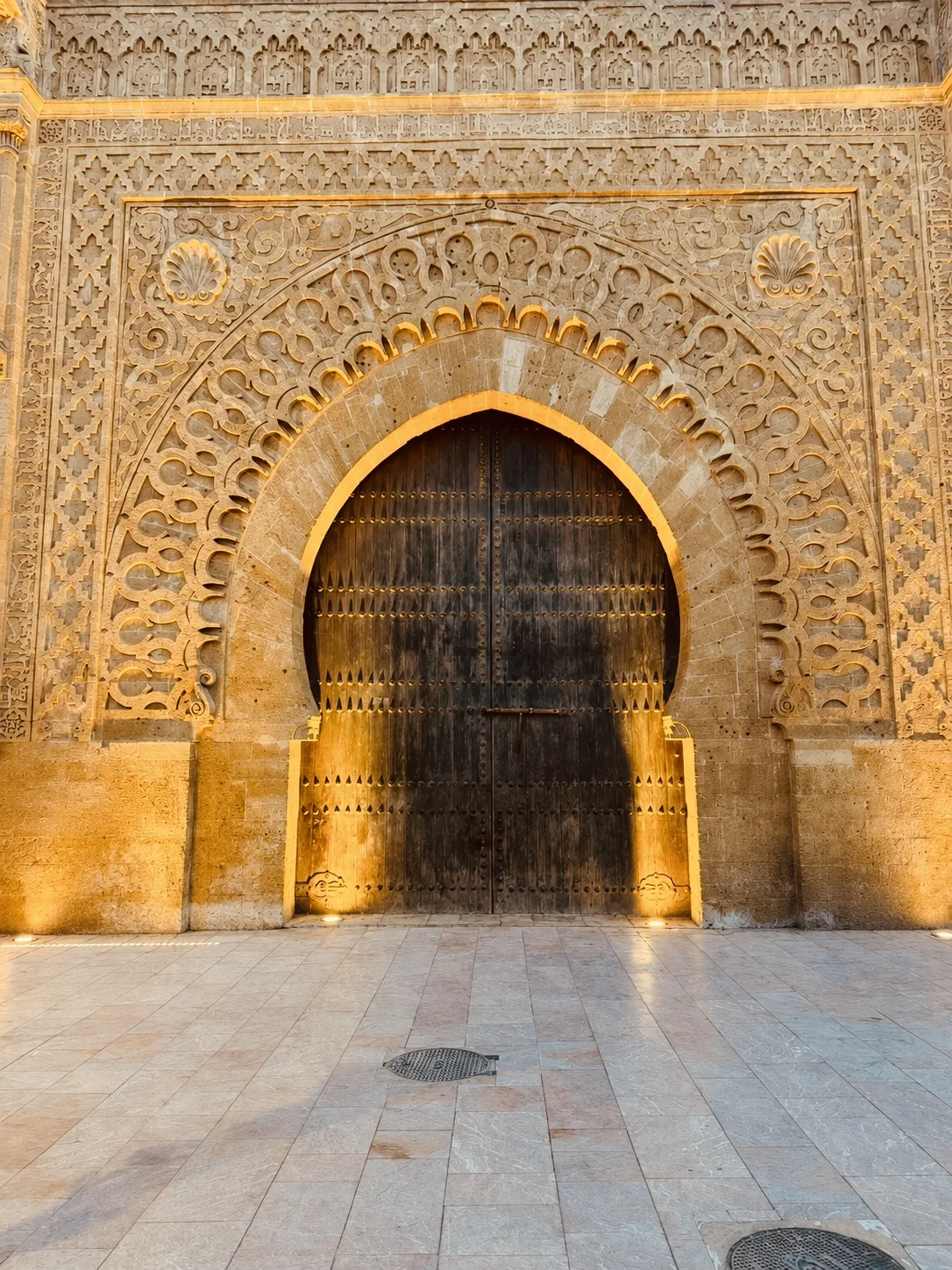
We also stopped at the Royal Palace of Fes, or Dar el-Makhzen. The palace itself isn't open to visitors, but you can see its monumental gates: enormous decorated doors framed by traditional tilework, beautiful and well worth a quick stop, and, obviously, another very good photo opportunity.
Good to knowThe medina vs the new city
It helps to understand, before booking, that Fes isn't just the ancient medina. The city is broadly split between Fes el-Bali (the ancient medina), Fes Jdid (the "new" Fes, established centuries later) and the much more modern Ville Nouvelle. If you're visiting mainly for tourism, I think staying in or close to the historic part gives you a far more memorable experience.
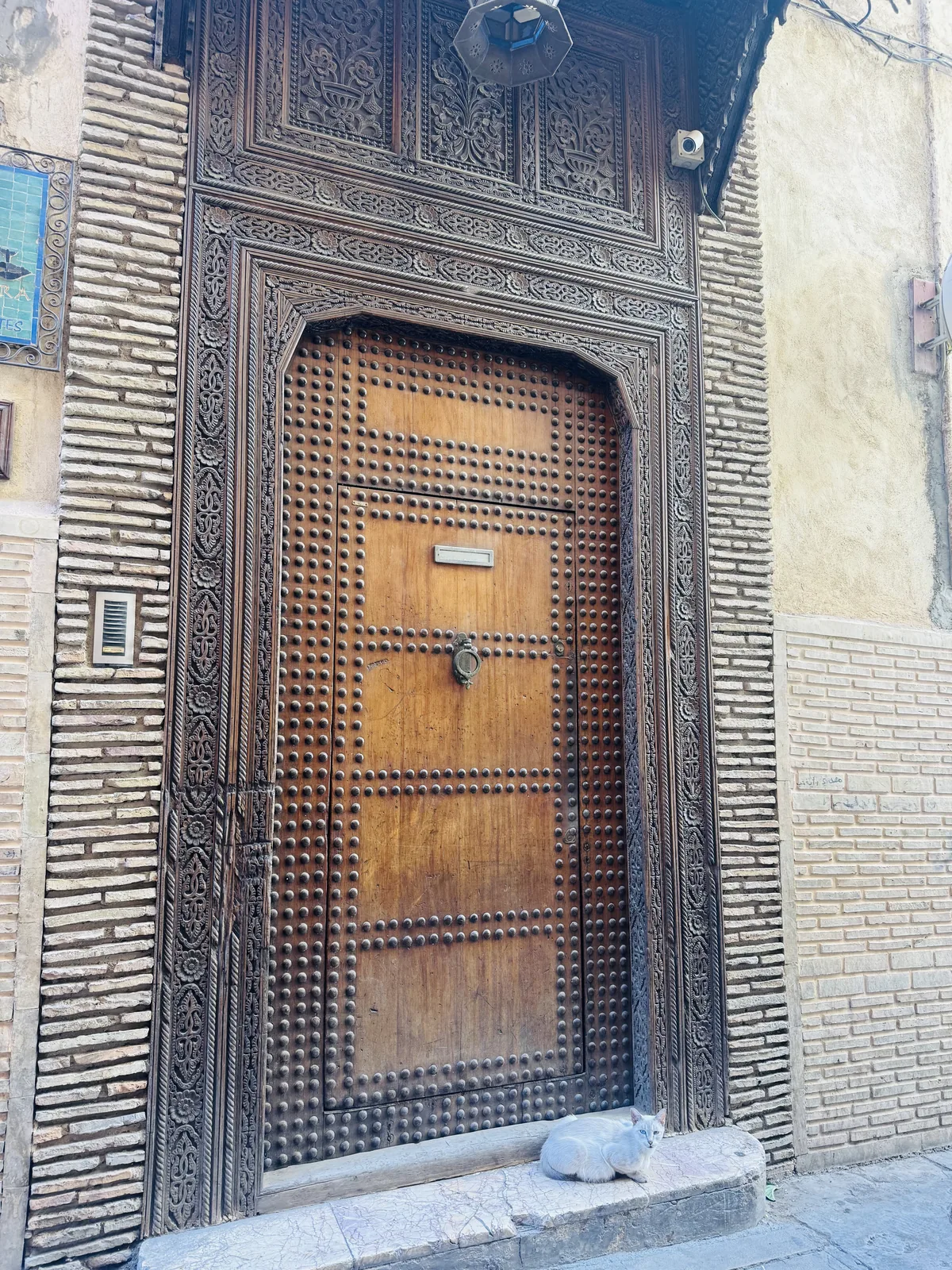
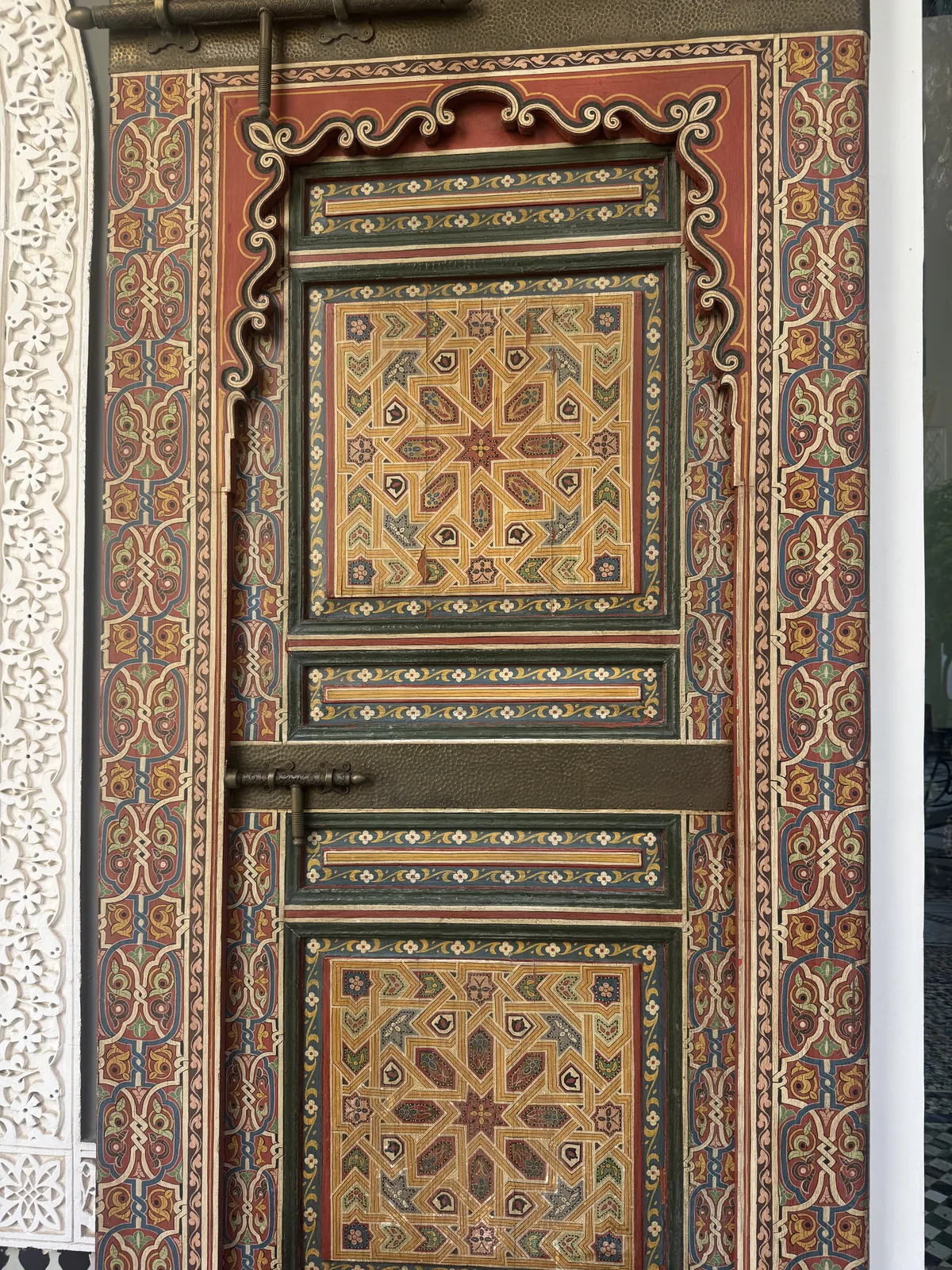
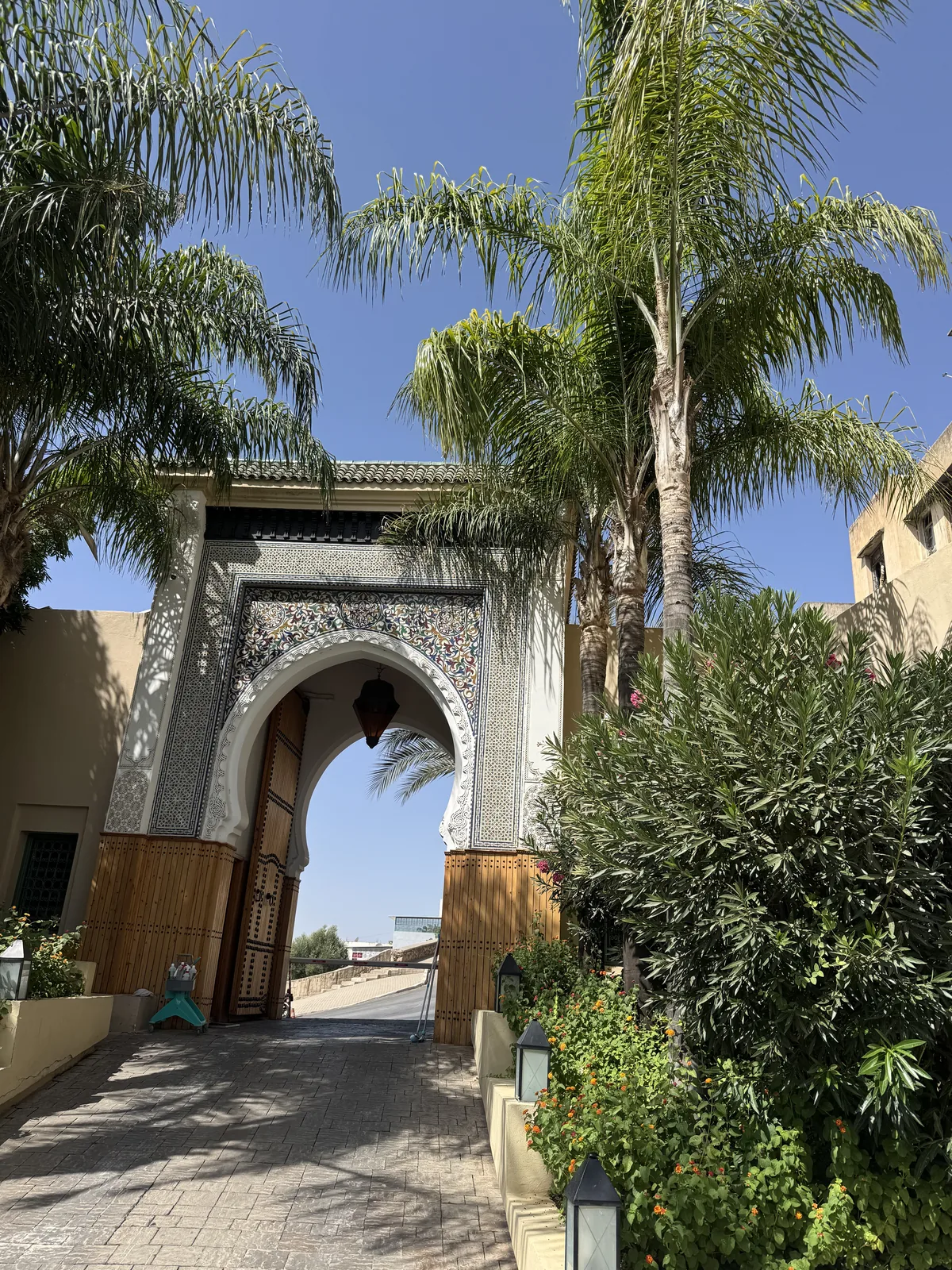
You'll find absolutely beautiful riads and traditional palaces hidden behind very simple doors. That's part of the magic of Moroccan architecture: an unassuming wall outside, a single door, and suddenly you're standing in an extraordinary courtyard.
When to goThe best time to visit Fes
We visited in summer. The upside: fewer tourists and better prices. The downside: the heat. Fes isn't on the coast, and summer days get extremely hot. We managed by exploring early and late, and hiding from the worst of it in between. If you have flexibility, spring and autumn are much more comfortable for exploring on foot, and Fes is a city that needs to be walked.
HonestlyIs a weekend in Fes enough?
By Sunday it was already time to leave. Could you stay longer? Certainly. But for a first visit, Friday-to-Sunday worked really well. We experienced the medina, ate our Friday couscous, survived the tanneries, walked through Jnan Sbil, saw the Royal Palace gates, enjoyed our hotel, and spent an evening overlooking Fes with live music.
But some of my favourite memories weren't really "things to do" at all. It was dancing to Arabic music with my sister on the train. Being welcomed with tea and sweets. The unexpected upgrade and our huge suite. Having the pool almost to ourselves. Wandering the beautiful rooms of Palais Faraj. And sitting on the rooftop at night, looking over Fes.
"Fes isn't a checklist city. Go into the medina, get a little lost, eat couscous, take the mint at the tannery, and give yourself time to simply enjoy being there."